
Understanding the Backbone of Where: A Look into BuddyOS and Its Architecture
At Where, we’re committed to revolutionizing the way you discover and experience the world around you. Our platform is powered by an intricate software architecture that ensures seamless interaction between various components, providing you with accurate navigation, tailored recommendations, and smooth user experiences. In this post, we delve into the core aspects of the BuddyOS structure, Unity runtime integration, audio pipeline, OTA system, and local services that make Where an indispensable tool for explorers and locals alike.
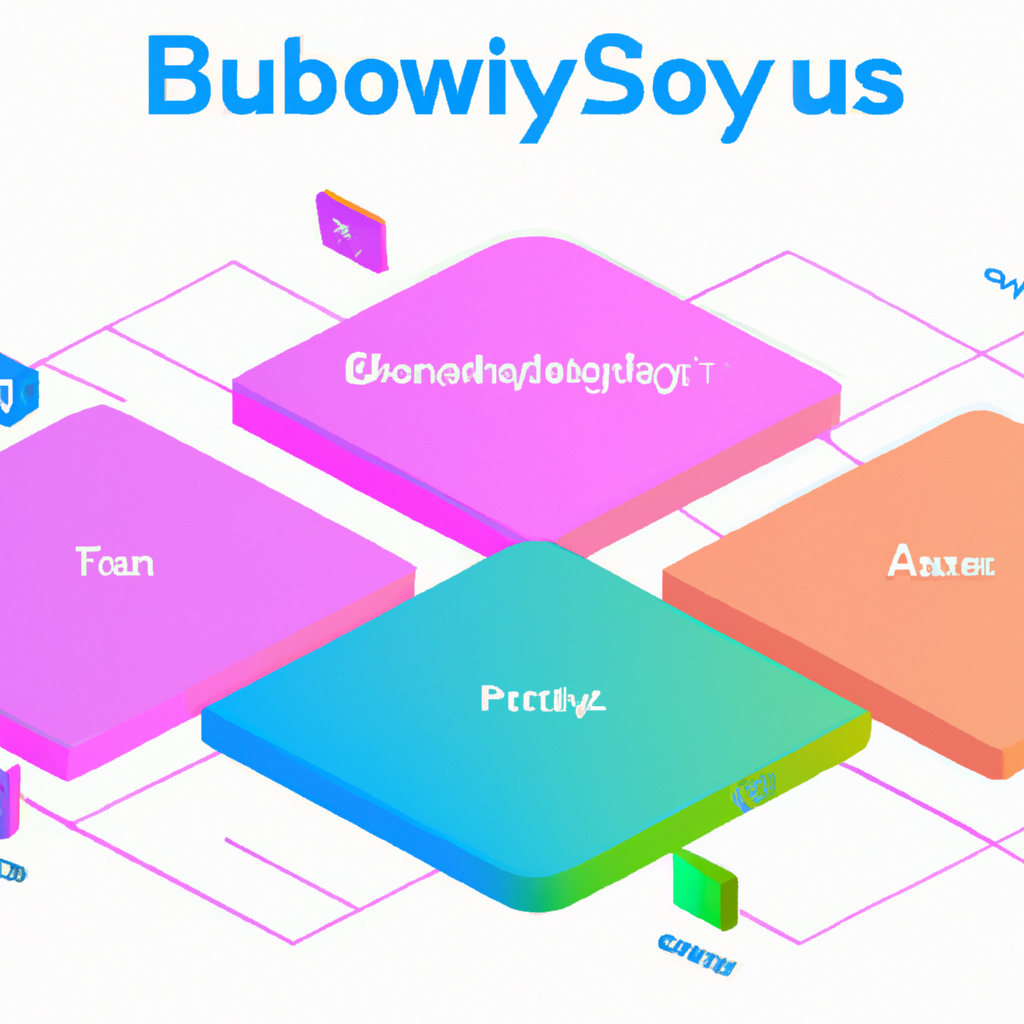
The BuddyOS Structure: A Robust Foundation
The BuddyOS is the foundation upon which the entire Where platform is built. Designed to be lightweight yet powerful, it orchestrates the various modules that provide our services. BuddyOS manages everything from the user interface to the backend processes that make real-time data processing possible. This modular structure allows for flexibility and scalability, ensuring that we can continuously innovate and integrate new features without disrupting existing services.
One of the key aspects of BuddyOS is its ability to handle multiple operations simultaneously, ensuring that users receive up-to-date information without delay. This multitasking capability is critical for delivering real-time navigation and personalized experience recommendations.
Unity Runtime Integration: Powering Immersive Experiences
Unity, a leading platform for creating immersive content, plays a crucial role in the user experience offered by Where. By integrating Unity runtime into our architecture, we provide users with visually engaging interfaces and interactive elements that enhance their journey of discovery. This integration allows us to render complex 3D maps and interactive guides, making exploration more intuitive and visually appealing.
Moreover, Unity’s capabilities enable us to create dynamic visual experiences that adapt to user preferences and behaviors, offering a more personalized touch to each interaction.

The Audio Pipeline: Enhancing Accessibility and Engagement
Audio plays an essential role in making the Where platform accessible and engaging for all users. Our audio pipeline is meticulously designed to deliver clear, concise, and contextually relevant audio cues that guide users through their journey. Whether it’s providing turn-by-turn navigation or alerting users to nearby points of interest, our audio system ensures that users can keep their eyes on the road or their surroundings, enhancing safety and convenience.
We employ advanced audio processing techniques to ensure that our cues are delivered without lag and are easily understandable, even in noisy environments. This focus on audio quality is part of our commitment to providing an inclusive experience for users of all abilities.
Over-The-Air (OTA) System: Keeping You Updated
Our OTA system is the lifeline that keeps the Where platform current and relevant. By enabling seamless updates over the air, we ensure that users always have access to the latest features, security patches, and content updates without needing to manually download or install anything. This system allows us to rapidly deploy improvements and new functionalities, keeping pace with user needs and technological advancements.
Through the OTA system, we can also gather valuable feedback and usage data, which informs our development cycle and helps us craft an ever-improving experience for our users.
Local Services: Tailoring Experiences to Your Needs
At the heart of Where’s value proposition is its ability to connect users with local services that match their interests and needs. Our local services architecture is designed to aggregate data from various sources, providing users with comprehensive insights into their surroundings. This includes everything from restaurant recommendations and event listings to navigation directions and public transport schedules.
By leveraging machine learning algorithms, we personalize these recommendations based on user preferences, past behavior, and real-time data, ensuring that every outing is memorable and suited to individual tastes.
Conclusion: A Platform Built for Exploration
The complex architecture of Where, powered by BuddyOS and its various integrations, is what enables us to offer a seamless, engaging, and highly personalized experience to our users. As we continue to innovate, our focus remains on enhancing your journey of discovery, making it easier and more enjoyable to explore the world around you. Whether you’re a traveler, a local, or an adventure enthusiast, Where is your companion in discovering new and exciting experiences.
Stay tuned for more updates and features as we continue to evolve and expand our platform. As always, your feedback is invaluable to us—let us know how we can make your experience even better!