
Software Architecture

Understanding the Software Architecture of BuddyOS

In today’s fast-paced digital world, having a robust and flexible software architecture is crucial for delivering seamless user experiences. At Where, we are committed to providing our users with a platform that is both intuitive and powerful. Our software, BuddyOS, stands at the core of this mission, integrating advanced technologies to facilitate smooth navigation and discovery of local experiences. In this post, we delve into the architecture of BuddyOS, exploring its key components such as the Unity runtime integration, audio pipeline, OTA system, and local services.
The Backbone: Unity Runtime Integration

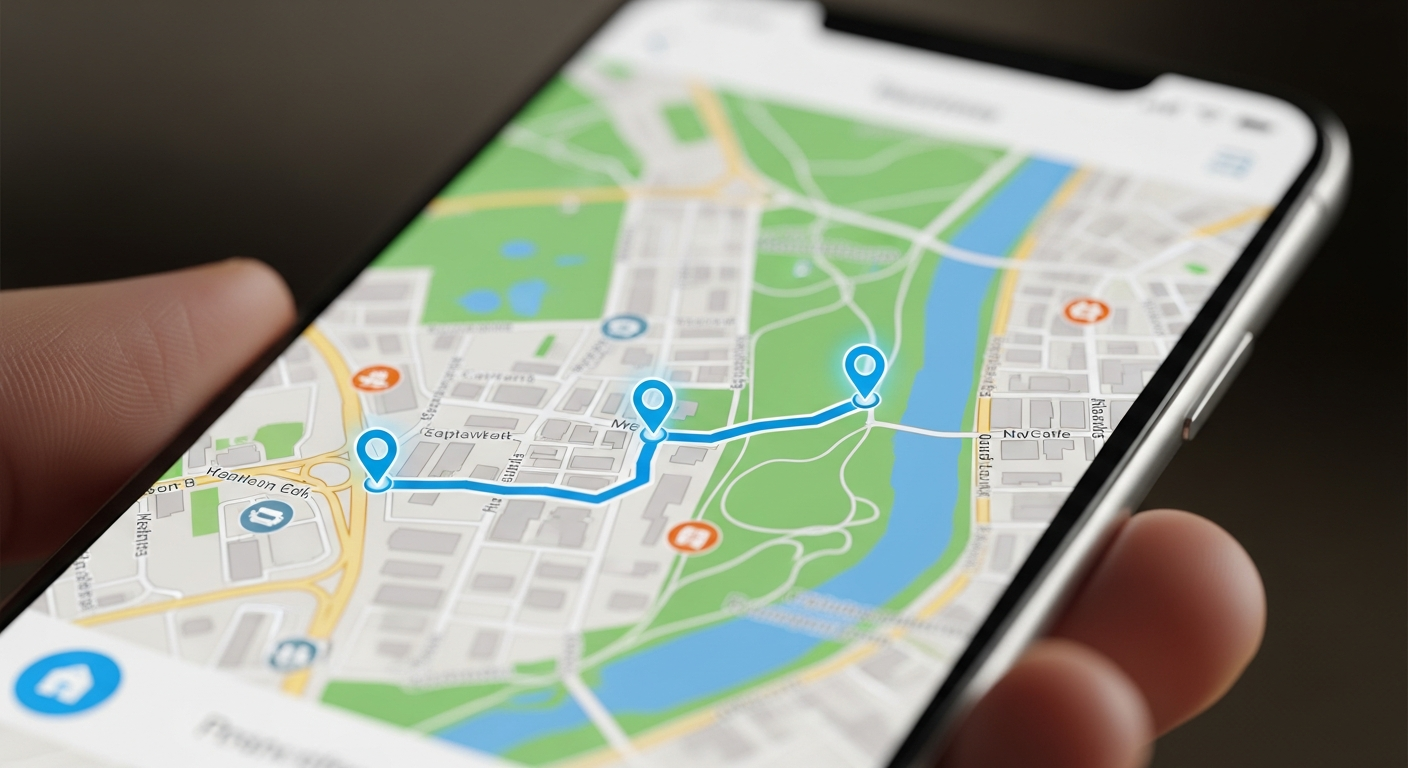
The integration of Unity runtime into BuddyOS is pivotal for delivering rich, interactive experiences. Unity, known for its cross-platform capabilities and high-performance graphics, allows us to create immersive environments that captivate our users. This integration ensures that whether you’re exploring a bustling city or a serene countryside, the visual representation is accurate and engaging.

Our developers have leveraged Unity’s extensive toolset to enhance the map visuals and user interface, providing real-time updates and smooth transitions. This capability not only improves the aesthetic appeal but also boosts the functionality, allowing users to interact with the map in innovative ways.

Seamless Audio Experience: The Audio Pipeline

Audio plays a critical role in enhancing the user experience, especially when navigating through unfamiliar territories. BuddyOS includes a sophisticated audio pipeline that provides clear, concise audio cues and instructions. Whether it’s turn-by-turn navigation or notifications about nearby events, our audio system ensures that users receive the information they need without distraction.

The audio pipeline is designed to support multiple languages and accents, catering to a diverse user base. This adaptability is crucial for travelers who rely on accurate and understandable guidance when exploring new areas.

Staying Updated: The OTA System

In the rapidly evolving tech landscape, keeping software updated is essential. The Over-The-Air (OTA) system in BuddyOS allows us to deliver updates seamlessly, ensuring that our users always have access to the latest features and security enhancements. This system is designed to work quietly in the background, minimizing disruption and maintaining the platform’s reliability.

Through the OTA system, we can roll out new features, fix bugs, and improve performance without requiring user intervention. This convenience is a key factor in maintaining user satisfaction and trust in our platform.

Empowering Local Exploration: Local Services

BuddyOS is not just about discovery; it is about providing users with meaningful experiences tailored to their preferences. Our local services component is designed to do just that, offering personalized recommendations based on user interests and location data. From hidden gems in your neighborhood to major events happening nearby, BuddyOS helps you uncover them all.

This feature utilizes advanced algorithms and user data to curate experiences that are relevant and engaging. Whether you’re a local resident or a tourist, BuddyOS ensures that you make the most of your surroundings.

Conclusion: Navigating the Future with BuddyOS

At Where, we believe that technology should enhance, not complicate, our interaction with the world around us. The architecture of BuddyOS is a testament to this belief, integrating cutting-edge technologies to provide users with a seamless, immersive experience. As we continue to innovate and expand our capabilities, we invite you to explore and enjoy the world with us. Download our app today and start your journey with BuddyOS.


Software Architecture

Understanding the Backbone: Software Architecture of BuddyOS

In today’s fast-paced technological landscape, the ability to discover new places and experiences efficiently is more crucial than ever. Where, your go-to location-based platform, empowers users to navigate and explore their surroundings with ease. At the heart of this seamless experience lies BuddyOS, a sophisticated software architecture designed to deliver robust performance. Let’s delve into the intricate components of BuddyOS, including its structure, Unity runtime integration, audio pipeline, OTA system, and local services.

The Foundation: BuddyOS Structure

BuddyOS serves as the core operating system for Where, orchestrating the various components that make the platform a powerhouse of discovery. Its architecture is modular, allowing for flexibility and scalability. This modularity ensures that new features can be integrated with minimal disruption, providing users with a continually evolving experience.

Key modules within BuddyOS include:

  • Kernel Module: Manages system resources and ensures efficient communication between hardware and software.
  • User Interface Module: Provides a seamless and intuitive experience for users, allowing easy navigation through the app.
  • Security Module: Safeguards user data with advanced encryption and privacy protocols.

Seamless Integration: Unity Runtime

One of the standout features of BuddyOS is its integration with the Unity runtime. Unity, a leading platform for creating interactive content, enhances the visual appeal and interactivity of Where. This integration facilitates the development of immersive experiences that captivate users, whether they’re exploring a new city or discovering hidden gems in their locality.

Through Unity, Where can offer:

  • Enhanced Visuals: High-quality graphics and animations that make navigation and discovery more engaging.
  • Interactive Maps: Users can interact with maps in a dynamic way, exploring locations in 3D.

The Audio Pipeline: A Symphony of Sound

Audio plays a critical role in enhancing user experience, providing real-time updates and notifications as users navigate through their journey. BuddyOS’s audio pipeline ensures that sound delivery is crisp and timely, contributing to a more efficient and pleasant user experience.

The audio pipeline is designed to:

  • Deliver Real-Time Instructions: Users receive accurate and timely audio cues, ensuring they never miss a turn or an event.
  • Personalize Audio Content: Based on user preferences, the audio system can adapt to provide relevant information and alerts.

Staying Updated: The OTA System

To keep up with the ever-changing world of technology, BuddyOS incorporates an Over-the-Air (OTA) system. This system allows for seamless updates, ensuring users have access to the latest features without the need for manual interventions.

Benefits of the OTA system include:

  • Automatic Updates: Users receive updates automatically, reducing downtime and enhancing security.
  • Feature Rollouts: New features are rolled out seamlessly, providing users with ongoing improvements and innovations.

Local Services: Tailored Experiences

Local services are at the heart of Where’s mission to deliver personalized experiences. BuddyOS efficiently integrates with local APIs and databases, providing users with tailored information based on their current location.

Local services include:

  • Event Recommendations: Users receive suggestions for nearby events and activities based on their interests.
  • Localized Content: Information is customized to reflect the cultural and regional nuances of each location.

Conclusion

The software architecture of BuddyOS is a testament to Where’s commitment to innovation and user satisfaction. By seamlessly integrating components such as the Unity runtime, audio pipeline, OTA system, and local services, BuddyOS ensures that users have a rich, engaging, and hassle-free experience. As technology continues to evolve, Where remains dedicated to enhancing its platform to meet the needs of travelers, locals, and adventure enthusiasts alike. Discover the world around you with confidence and ease, thanks to the cutting-edge architecture of BuddyOS.

Ready to explore more? Download Where today and start your journey towards unforgettable experiences.